Home on standby before a long cruise
A week away is not a World Cruise: what changes between 7–15 days and 4–5 months away from home, including utilities, security, mail, plants, vehicles and deadlines.
🏠 Home
Fridge, plugs, windows, balcony, plants, keys, mailbox and a trusted contact.
💳 Deadlines
Bills, banking, cards, insurance, documents, apps and automatic payments.
📸 Digital life
Backups, cloud, passwords, photos, videos, hard drives, phone and document copies.
7–15 days or four and a half months? It is not the same departure
The expression “long cruise” can hide very different situations. A home left for one or two weeks may be closed and reopened almost unchanged. A home left for four and a half months goes through weeks of weather, bills, mail, seasonal changes and possible minor faults without its owner being there every day.
Short absence
- Final check of water, gas, windows and unnecessary plugs.
- Fridge usually stays on; remove perishables.
- Plants need only short-term planning.
- Mail and the car rarely become major issues.
Long absence
- A trusted contact or scheduled inspection becomes useful.
- Review deliveries, mail, plants, vehicle and deadlines.
- Decide which utilities and devices actually need to remain active.
- Remote access to essential security systems becomes valuable.
True standby mode
- Agree periodic inspections, not just an emergency key.
- Plan fridge/freezer, water, gas, heating/cooling and security.
- Manage mail, plants, vehicle, deadlines and changing seasons.
- Leave building and maintenance contacts easy to find.
Home on standby for 4–5 months: what really changes
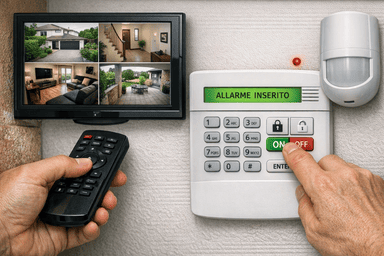
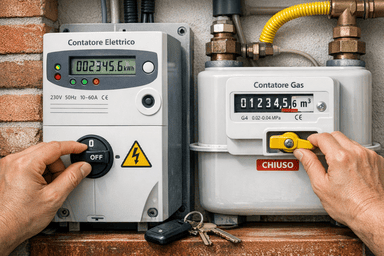
For a week away, the main idea is to close the house properly. For four or five months, think in systems: water, gas, electricity, temperature, humidity, security, food and human inspections.
- Fridge/freezer: if switched off, empty, clean and leave doors ajar; if left on, reduce contents and plan for checks after power failures.
- Water: consider shutting the main valve or unused lines when practical, provided no required system depends on them; also inspect washer/dishwasher hoses.
- Gas: if it is not needed for essential equipment, assess shutting it off; always follow equipment and technician instructions for boilers or heating systems.
- Electricity: do not simply “switch everything off”. List what must stay powered: alarm, router, cameras, smart-home devices, fridge and technical systems.
- Temperature and humidity: a home may cross seasons while you are away. Use a sensible minimum/protection setting appropriate to the property and local climate.
- Drains: little-used traps can dry during a very long absence; a trusted person can periodically run a small amount of water where appropriate.
- Balconies/terraces: remove items that months of wind, rain or sun could move or damage.
Do a complete inspection the day before departure and a shorter final check before leaving. For a World Cruise, a few photos or a simple status list can help both you and your trusted contact spot changes later.
Bills, banking and payments: settle them before departure
During a long cruise you may be in different countries, with connections that are not always reliable. It is better not to solve urgent banking or payment problems while you are far from home.
Before leaving, review contracts, direct debits, online access and recurring payments. They may not be interesting to talk about, but they become important when you are away for weeks or months.
- Check electricity, gas, water, phone and internet bills.
- Verify credit cards, debit cards, expiry dates and daily limits.
- Open your banking apps before departure and make sure they work correctly.
- Review subscriptions, insurance, instalments, deposits and recurring payments.
Trusted contact: four and a half months need a real inspection plan
For 7–15 days, spare keys may be only a precaution. For four and a half months, agree on periodic inspections so the property is not left unchecked for months.
- Leave keys with a trusted person and clarify who is authorised to enter.
- Agree a reasonable inspection frequency based on the property, systems, plants and season.
- Ask them to look for leaks, unusual smells, power failures, alarm issues, window problems, mail and signs of water ingress.
- Leave emergency numbers, building/condo contacts, trusted technicians and simple instructions.
- Clarify what they can resolve directly and which expenses or problems require your approval first.
- Pause or redirect recurring deliveries when possible.
A printed page with a few clear instructions can be more useful than many scattered WhatsApp messages.
The best approach is to agree on simple rules before departure: who can enter the house, what to check, how often and when to contact you.
Plants, balcony, terrace and vehicle: four months change everything
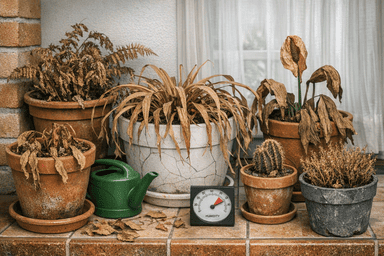
For a few days, simple watering and safe parking may be enough. Over four or five months, seasons change, temperatures shift, batteries discharge and vehicle deadlines can arrive while you are away.
- Entrust plants to someone or use an irrigation setup genuinely suitable for months, and test it well before departure.
- Check balcony/terrace drains and remove items that could become a problem in storms or strong wind.
- For cars or motorbikes, check parking, battery, tyres, insurance, inspection dates and spare keys.
- If someone may drive or move the vehicle, confirm insurance and authorisation first; occasional idling alone is not a good storage strategy.
- If using a battery maintainer, use equipment rated for long-term operation and follow the manufacturer’s instructions.
Technology, remote security and backups
Over four and a half months, technology works in both directions: you carry phones, photos and documents, while home may keep a router, alarm, cameras and smart-home devices online. Test what truly needs to remain connected before departure.
- Free space on your smartphone and check your photo backup.
- Test remote access to alarms, cameras or smart-home systems over mobile data before departure.
- If the router/network supports home security, do not include it among the devices to unplug.
- Prepare cloud folders, external drives, SSDs and memory cards.
- Bring spare cables, chargers, adapters and power banks.
- Use a simple structure for photos and videos: by day, port or cruise segment.
For those who enjoy photography, filming or keeping a travel diary, this part is essential: photos, videos and notes are not just memories, but the material used to tell the journey.
Digital documents and safe copies
Having everything only on your smartphone is not enough. A phone can break, run out of battery, be lost or have no connection. Secure digital copies should be ready and easy to reach.
- Passport, ID card, health card and travel insurance.
- Cruise documents, visas if required and reservations.
- Emergency numbers, card-blocking contacts and assistance numbers.
- Contact details of the trusted person at home.
Digital copies should be protected: avoid leaving sensitive documents scattered on your phone without a password.
A simple preparation timeline
You do not need to turn preparation into a military operation. You need a concrete timeline, so the final week is only for checks, not for starting everything from zero.
Design the long absence
Review documents, banking, insurance, vehicle, home systems and choose your trusted contact.
Test the plan
Test remote access, irrigation, alarm, cameras and backups; decide fridge, utilities and home-inspection frequency.
Close open tasks
Pause deliveries, organise mail and plants, recheck payments, documents, keys and emergency contacts.
Physical final check
Walk through the house with the checklist: water, gas, power, windows, balcony, fridge, alarm, router and devices that must stay active.
Final checklist before departure
This is the list to read again during the last days. It does not replace dedicated pages about luggage, medicines and visas, but it helps close the “life ashore” part.
The mental side: truly leaving
When you leave for a long cruise, you do not leave only a house. You leave a daily rhythm. Habits change, schedules change, days change. The ship becomes your new daily reference point.
That is why organizing your home and deadlines is not only a technical task. It is also a way to close one phase properly and open another.
The journey does not begin on boarding day. It begins before, when you start putting your home, documents, deadlines and mind in order.
Frequently asked questions
What should I do before leaving for a long cruise?
Before a long cruise, check your home, bills, banking, digital documents, mail, plants, car, backups, medicines, luggage and trusted contact. Preparation is not only about luggage, but also about everything that remains ashore.
Do I need a trusted person at home?
Yes. For a long cruise, a trusted person can check mail, keep a copy of the keys, react in case of emergency and verify small practical issues.
When should I start preparing the house?
For a long cruise, start several weeks before departure. The final week should be for final checks only, not for organizing everything from zero.
Which digital documents should I save?
Save protected copies of your passport, ID, travel insurance, cruise documents, visas if required, reservations, emergency numbers and useful contacts.
What changes between leaving home for 7–15 days and 4–5 months?
For two weeks, essential closing checks are usually enough. For four or five months, you need periodic inspections plus a plan for fridge, utilities, mail, plants, vehicle, security, deadlines and a trusted contact.
Should I switch everything off for a World Cruise?
No. Decide device by device. Alarm, router, cameras, fridge or technical systems may need to stay powered; unnecessary devices can be disconnected. Follow specific technical instructions for gas, boilers and other systems.
In short
Before a long cruise, do not think only about luggage, clothes and travel documents. Most importantly, distinguish a 7–15 day absence from four or five months away: the latter needs a management plan, periodic inspections and clear decisions about utilities, security, mail, plants, vehicle and deadlines.
It is less visible preparation, but it is essential. A long cruise feels better when, before leaving, you have also made peace with everything you leave at home.
Continue on LiberePassioni
You arrived without a Costa or MSC context: continue with related guides or choose the cruise area that interests you.